
If you’ve ever watched one of those teacher coaching videos and felt your shoulders rise, your stomach tighten, and a small voice in the back of your head say “this isn’t right,” but couldn’t quite name what was wrong, this is for you.
I had that feeling recently in a CPD on adaptive teaching. I sat with it for a while. Did the reading. And I want to put words around it for anyone else who’s felt this kind of conflict.
The session was framed around Ordinarily Available Provision. OAP is the statutory baseline of inclusive practice every mainstream school in England is expected to deliver before any specialist funding kicks in. The framing was right. The intention was right.
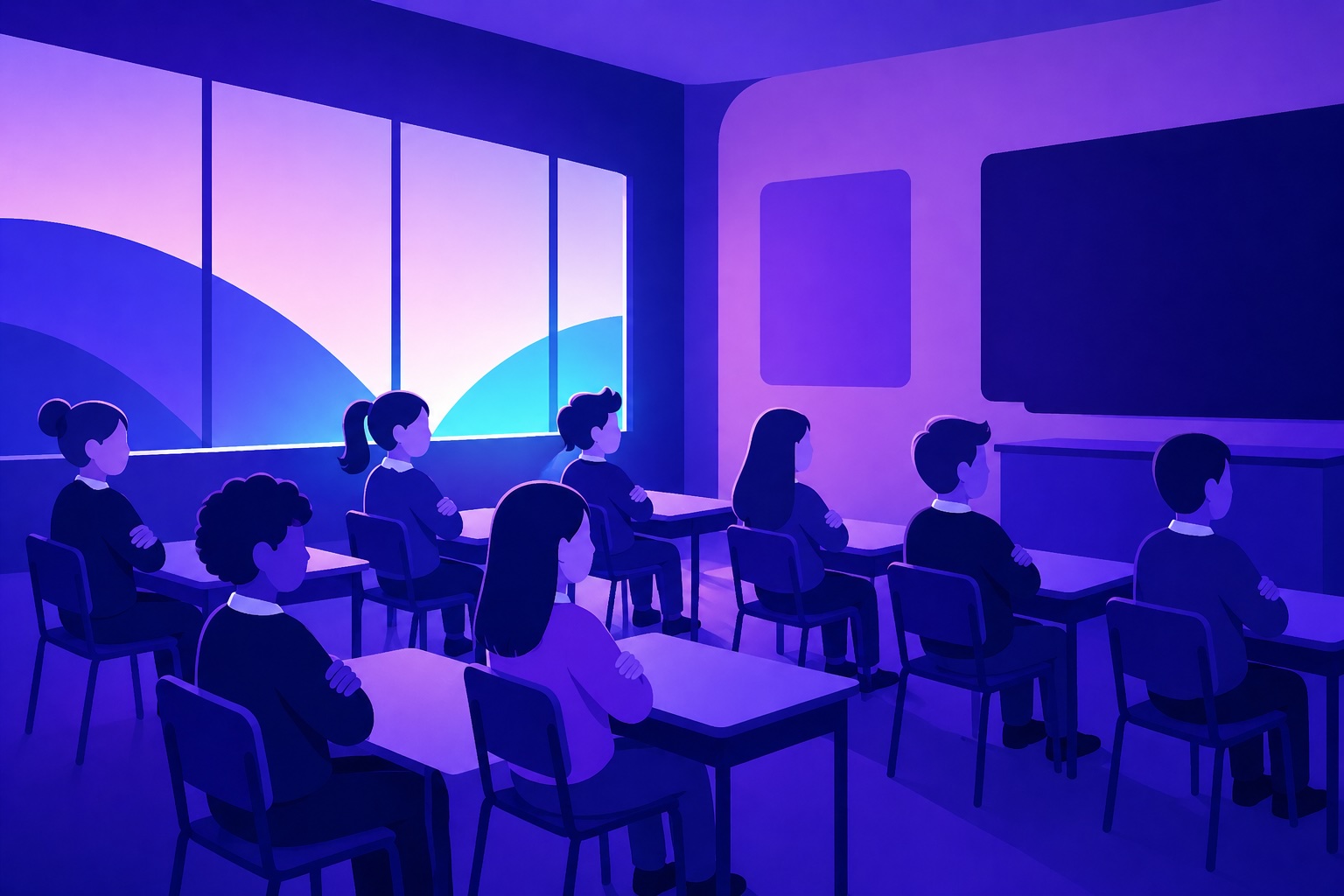
To illustrate what good checking for understanding looks like, we were shown coaching videos. Different versions of SLANT. Different versions of whole body listening. Children sat upright, hands folded, eyes tracking the speaker, faces composed.
I felt something close to dread.
I want to be mindful here, because this isn’t about the colleagues who delivered the CPD. They were doing what they were asked to do, with care, in a sector that increasingly hands teachers these compliance frameworks and tells them this is what high standards look like.
That’s the system. Not them. And it’s why I think this matters. There’s a quiet conflict sitting inside a lot of UK secondary teachers right now, and we don’t talk about it nearly enough.
Why I trust the dread
I’ll tell you the personal bit, briefly, because it’s why I trust the dread.
I have two children. My eldest is autistic. He’s diagnosed. He spent years in a setting where the body language being praised in those school training videos was the body language he simply couldn’t safely produce. Not because he wasn’t trying. Because his brain doesn’t regulate that way.
His attempts to comply cost him so much that we got close to him refusing school altogether. We moved schools. I’m thankful that he’s doing much better.
My youngest is in Year 2. She’s not diagnosed, but as parents we suspect she’s autistic too. She’s still in the school her brother left, because we don’t yet have a place at the new one. She’s started showing the same anxieties at almost the same stage in her schooling. And it’s no coincidence. As play-based learning gives way to something more formal, she’s feeling the pressure to suppress her wriggles. We’re watching carefully.
It’s not just a hunch. The Play is Learning campaign, which reached a Westminster Hall debate this year, is asking England to do what Scotland and Wales already do and protect play-based learning in KS1. My daughter is sitting on the wrong side of that cliff edge, and so are a lot of children whose teachers can already see the cost.
So I sat in that CPD session thinking about adaptive teaching as both a teacher and a mum, and I couldn’t separate the two. I don’t think I should have to. I don’t think you should have to either.
Looking like learning isn’t the same as actually learning
Here’s what I noticed when I really paid attention to those videos.
The body language being praised wasn’t a measure of attention. It was a performance of attention. Sitting up. Eyes on the speaker. Hands still. Feet flat.
They’re things you can see, and we’ve started treating them as proof a child is taking it in. They’re not the same thing. Some children can do the body easily and aren’t taking in a word. Some children can’t do the body and are absorbing every sentence.
Looking like you’re listening and actually listening aren’t the same thing. And once you’ve spotted the gap, you can’t unsee it.
For neurodivergent students this gap isn’t theoretical. Looking away while thinking isn’t avoidance. It’s how the brain dims one channel to free up another. For autistic students, forced eye contact can be physically uncomfortable.
For students with ADHD, small movement isn’t defiance. It’s how the brain wakes itself up enough to listen. Quiet hands and quiet feet are often the opposite of what some bodies need in order to take anything in.
What the masking tax actually costs a child
There’s a name for what happens when a child spends their school day producing the right body whilst trying to learn. The research calls it the masking tax.
It’s the cost of using your brain to hold yourself in a shape that isn’t yours, instead of using it to take in the lesson. Day after day, term after term, it builds up.
You see it as tiredness that doesn’t make sense for a child their age. You see it as the Sunday night stomach ache. You see it as anxiety nobody can quite put their finger on. Eventually you see it as a child refusing to come to school at all.
The behaviour that finally overspills is the symptom. The rule that asked them to mask in the first place is what did the damage.
So when I watched those videos, I was watching two children at once. The compliant child in the frame. And the child I know at home, who couldn’t have produced that body without paying for it later.
Where adaptive teaching and compliance frameworks collide
Here’s the bit I want to be useful about.
There’s a quiet conflict sitting between two things you might be hearing from your school at the same time.
On one side, OAP guidance asks us to plan for difference from the start. To assume a range of brains in the room. To make small adjustments before a child gets to the point of struggling.
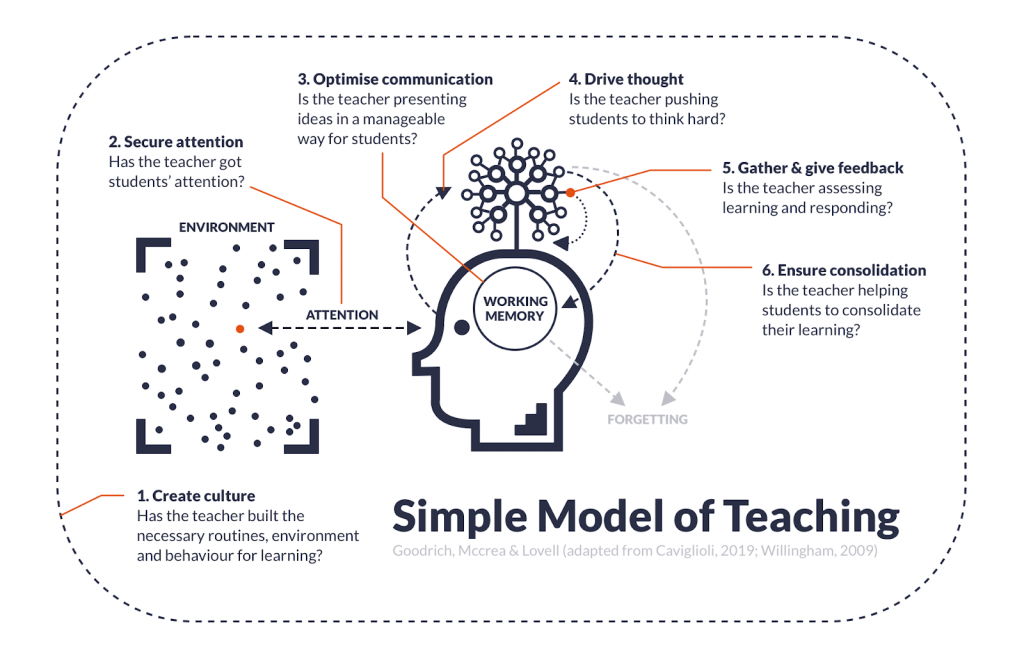
On the other side, codified compliance frameworks tend to ask for the opposite. Same posture, same routine, same response to anything that looks different. The children who can’t easily produce the visible body are the ones who get noticed and corrected.
If you’ve been feeling that the inclusive practice you’re meant to be doing and the behaviour you’re meant to be enforcing don’t quite live in the same room, that isn’t disloyalty. That’s just paying attention.
I’m not asking you to fight your school. That’s not what PPA Buddy is for, and most of us don’t have the energy for it by the Summer term.
I’m just saying the dissonance you might be feeling is real. The inclusive practice your professional judgement keeps reaching for is what Ordinarily Available Provision is asking for in the first place.
Small choices that sit inside what Ordinarily Available Provision is already asking for
A few small things you can do. All defensible. All within your control.
- You can notice, in your own classroom, the difference between looking like learning and actually learning, and let your checks for understanding measure the second one.
- You can offer movement and quiet sensory tools as standard rather than as a special arrangement that singles a child out.
- You can build transition warnings into your routines so the children who lock in deeply have a chance to ease out gently before the next thing.
- You can let a child look out of the window while they think.
- You can stop reading silence as a measure of culture and start reading safety as the measure that actually matters.
These aren’t grand reforms. They’re small everyday choices that create a neuro-affirmative classroom and sit comfortably inside what OAP is already asking for. Nothing here picks a fight with anyone.
A quieter way of doing this work
If your CPD doesn’t pass your gut test, that’s information. Not a complaint to file. Just information to hold.
You’re allowed to read more widely than the framework you’ve been handed. You’re allowed to reach for the statutory guidance and read it for yourself. You’re allowed to use AI to do that reading faster, on your own time, at your own kitchen table, when there’s space to think.
That’s actually how I got from a feeling I couldn’t name to an article I could write.
I sat through that CPD twice. Once as a teacher, watching colleagues being trained in something that didn’t quite line up with the inclusive practice we’re meant to be doing in the first place. Once as a mum, watching the body language my son couldn’t produce being held up as the standard of a good lesson.
If you’ve felt either of those, or both, you’re not the only one in the room. You’re not being difficult. You’re paying attention.